01
Business Branding Educator
I help people understand why a business works — not just how to make it look good.
Long before I called myself a business branding educator, mentor specialist, storyteller, or program strategist, I was paying attention.
To what people remembered. To what made them trust. To what made young people believe something was possible. To what made a business feel personal.
That is still how I work today.

My work developed through real experiences — through microphones and meetings, classrooms and boardrooms, mentoring circles and community rooms, side hustles and serious ventures. Every chapter taught me something the next one needed.
Read this like chapters of a profile — not a résumé.
Learning how stories shape perception.
Learning how ideas become businesses.
Learning that access can change a life.
Learning how people actually learn.
Learning that businesses are remembered by how they make people feel.
Connecting all of it.
People deserve access to what someone else already knows.
Knowledge should not remain trapped inside companies, institutions, classrooms, or individual experts. When it stays there, it becomes a wall. When it moves, it becomes a door.
Which is why I think of mentorship less as a program and more as infrastructure — a way that ideas, relationships, and opportunity actually reach the people who need them.
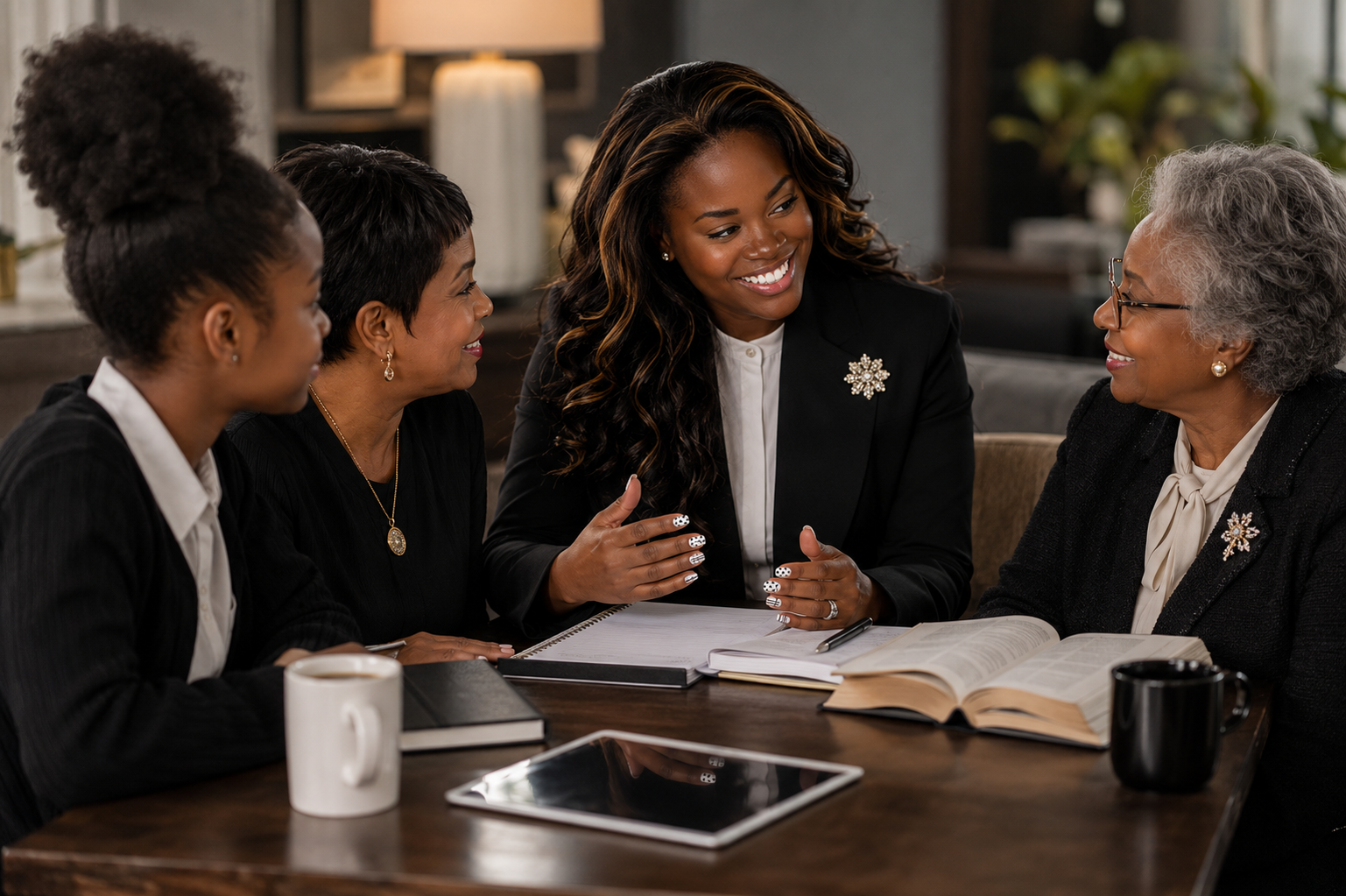
These aren’t services on a menu. They’re four angles on the same belief.
I help people understand why a business works — not just how to make it look good.
I design mentorship systems that turn access, relationships, and knowledge into opportunity.
I translate experiences, culture, conversations, and everyday moments into lessons people remember.
I build programs that connect ideas, people, education, and measurable outcomes.
“I don’t separate business from people.
People are the business.”
Give me a conversation, a childhood memory, something somebody said at church, a bad customer-service experience, a young person asking the right question, or something I saw standing in line at the grocery store — and somewhere in there, there is probably a lesson about business, branding, people, or life.

community.
church.
the corner store.
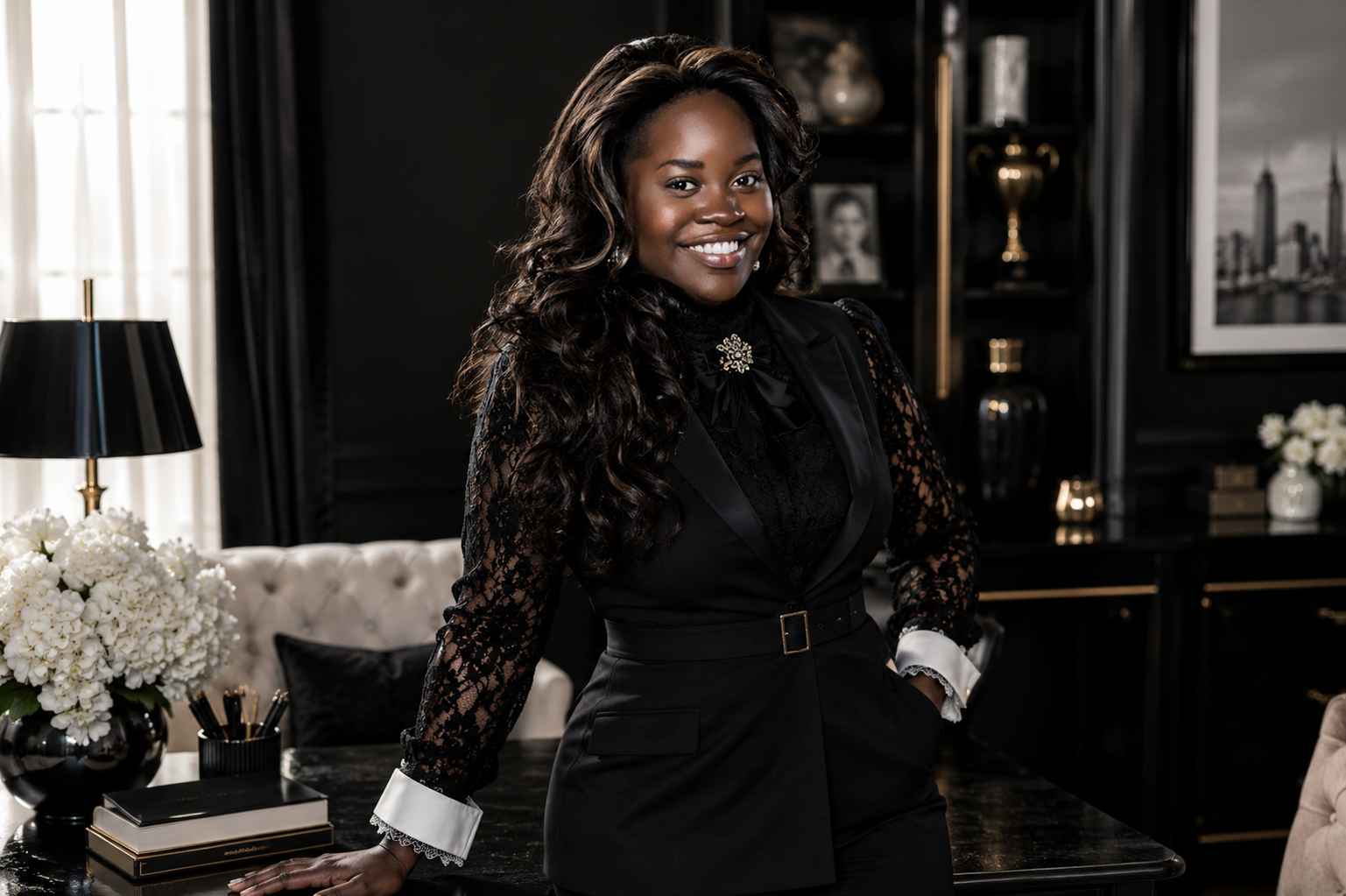

I believe mentorship should become part of how schools, businesses, communities, and institutions operate — not a lucky accident for the few who happen to be in the right room at the right time.
I grew up on the West Side. That means I learned what community really means, what opportunity looks like when it’s uneven, and how much of a person’s future can be decided by geography, culture, and access.
It taught me to see entrepreneurship in a hair salon, mentorship on a front porch, and education in a conversation nobody meant to be a lesson.
Every room I’ve worked in since, I’ve carried the West Side with me.

Business should make sense.
Branding should make people feel something.
Education should lead somewhere.
Mentorship should create access.
Programs should actually work.
People remember how you made them feel.
And sometimes the best business lesson starts with a story.
Not a résumé. A map of the rooms she works in.
Brand strategy · Entrepreneurship · Consulting
Curriculum · Learning systems · Workshops
Youth development · Mentorship infrastructure · Mogul Academy
Storytelling · Speaking · Broadcasting · Commentary
Civic engagement · Partnerships · Social impact
Whether it is a business, a program, an idea, a community initiative, or something you cannot quite explain yet — I’m interested in what it could become.